
Why Do We Put The Clocks Back

Spring Forward, Fall Back: The Clock's Tale
Every year, like clockwork (pun intended), we're reminded of the seasonal shift as we spring forward or fall back. But why do we put the clocks back, and why does it feel like we're losing an hour of our lives? Let's dive into the sandman's sandbox and unravel this time-tested tradition.
When Time Wasn't on Our Side
Imagine a world where the sun sets at 3 PM in winter. Sounds like a vampire's paradise, right? Well, that was the reality for many in the 18th century. With candles as the primary light source, people were literally left in the dark during the cold months. This led to the idea of adjusting our clocks to make better use of daylight.
Enter William Willett, a British builder with a bright idea. In 1907, he proposed moving the clock hands forward by 80 minutes on a Sunday in April and back by 80 minutes on a Sunday in October. His idea was simple, yet revolutionary: make the most of daylight during summer evenings and save energy in the process.
Must Read
Daylight Saving Time: A Global Phenomenon
Willett's idea caught on, and in 1916, Germany and Austria were the first to adopt daylight saving time (DST) during World War I to conserve coal. The rest of Europe and the United States soon followed suit. Today, about 70 countries observe DST, with start and end dates varying by region.
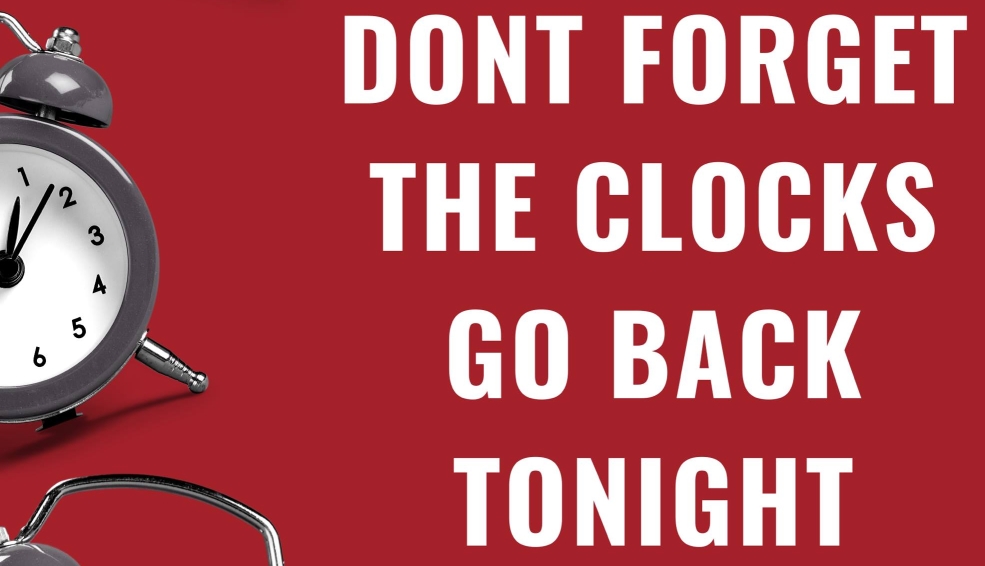
But why do we put the clocks back in the fall? As the Northern Hemisphere tilts away from the sun, days grow shorter, and we lose an hour of daylight in the evening. By moving the clock back, we shift our waking hours to better align with the sun's schedule, making the most of the limited daylight.
Falling Back: The Good, the Bad, and the Ugly
Pros: More daylight in the morning means earlier sunrises, which can boost your mood and productivity. Plus, it's darker earlier, encouraging an earlier bedtime and better sleep.

Cons: The sudden shift can disrupt your circadian rhythm, leading to temporary sleep deprivation and grogginess. And let's not forget the dreaded "falling back" time change, which can make it feel like we're losing an hour of our lives.
But fear not, dear reader! There are ways to make the most of this annual rite of passage.
Tips to Ease the Fall Back
1. Gradually adjust your bedtime: Start shifting your sleep schedule back by 15 minutes every few days leading up to the time change.
2. Light up your life: Expose yourself to bright light in the morning to help regulate your circadian rhythm.
3. Stay active: Regular exercise can help combat the fatigue that comes with the time change.
4. Be patient: It takes time for your body to adjust to the new schedule. Give yourself a few days to acclimate.
Reflecting on the Ticking Clock
As we fall back and the days grow shorter, it's a reminder that time is precious and fleeting. We can't stop the clock, but we can make the most of the time we have. So, embrace the extra hour of sleep, cherish the longer mornings, and remember that even in the darkest days, there's always light to be found.
And as for Willett, his idea may have been ahead of its time, but it's certainly stood the test of time. So here's to you, William – we're still making the most of our daylight, one clock change at a time.