
When Did People Start Dressing Up For Halloween
Trick or Treat: The Evolution of Halloween Costumes
Ever wondered when we started donning disguises and going door-to-door for Halloween? Let's dive into the fascinating history of Halloween costumes, from ancient rituals to modern pop culture.
Ancient Origins: Celtic Samhain and Roman Pomona
Our Halloween costume tradition can be traced back to the ancient Celtic festival of Samhain, celebrated around 2,000 years ago in what is now Ireland, the United Kingdom, and northern France. Samhain marked the end of summer and the harvest season, and the beginning of the dark, cold winter. The Celts believed that on the night before the new year (October 31), the boundary between the worlds of the living and the dead became blurred, allowing ghosts to return to earth.
To ward off evil spirits, the Celts would light bonfires and wear costumes made of animal heads and skins. This practice was later adopted by the Roman Empire, which conquered the Celtic territories in the 1st century AD. The Romans introduced their own festival, Pomona, the goddess of fruit and trees, whose symbol was the apple. The symbol of Pomona, the apple, is thought to have inspired the tradition of bobbing for apples on Halloween.
Must Read
Medieval Europe: Soul Cakes and Guising
As Christianity spread throughout Europe, the church made November 1 All Saints' Day, a time to honor saints and martyrs. The day before, October 31, was known as All Hallows' Eve, and later, Halloween. Over time, the celebration of Halloween became a day of feasting, folly, and, of course, costumes.
In medieval Europe, poor villagers would go door-to-door receiving food or money in exchange for prayers for the dead on All Souls' Day. This tradition, known as "souling," is thought to have led to today's trick-or-treating. Another tradition, "guising," involved people dressing up in costumes and performing tasks or songs for neighbors in exchange for food or coins.

American Innovation: Mass Production and Pop Culture
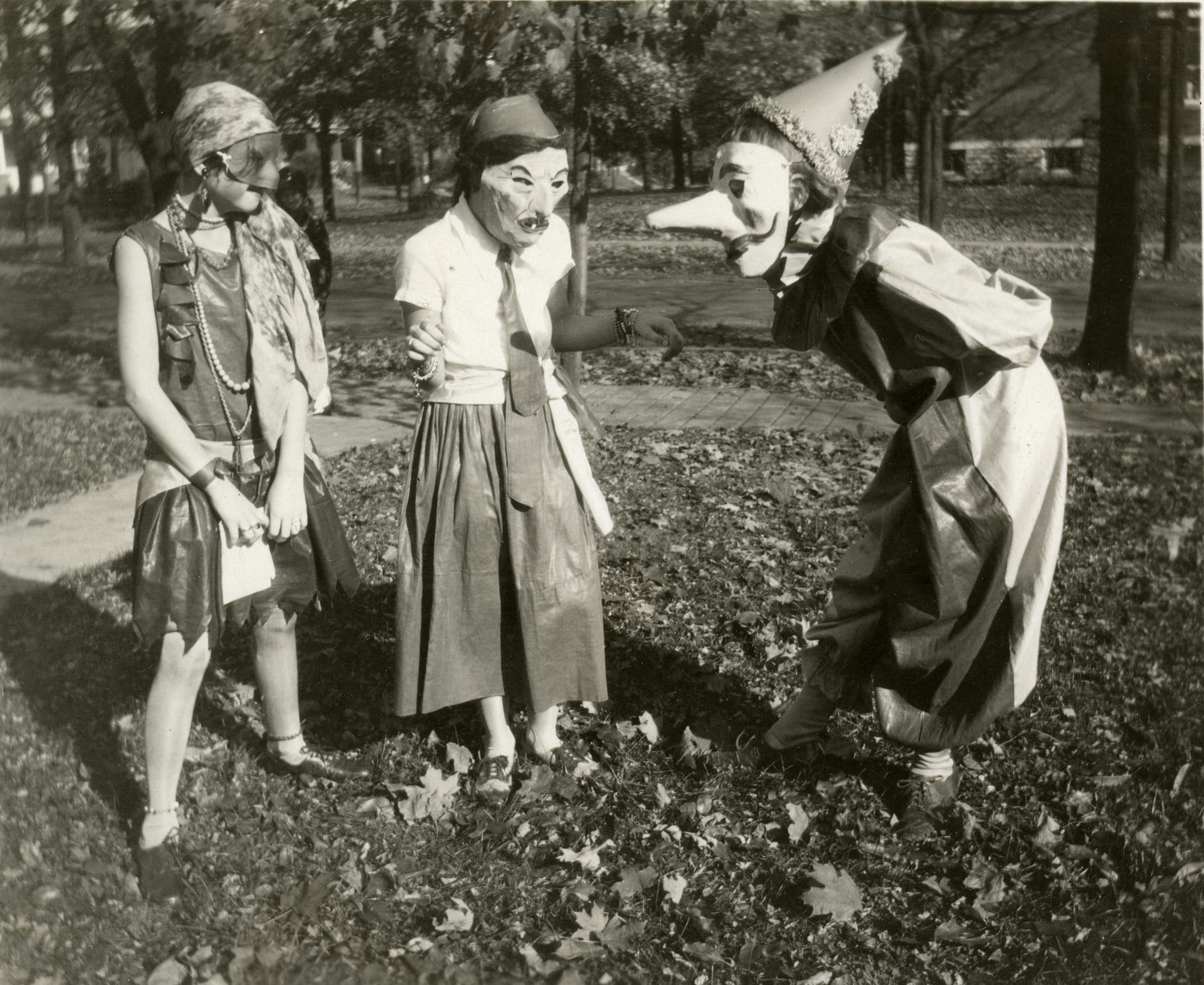
Halloween as we know it today began to take shape in America in the late 19th and early 20th centuries. As immigrants from various European countries brought their Halloween traditions with them, the celebration became more widespread. By the 1920s and 1930s, Halloween had become a secular, community-centered holiday focused on neighborly get-togethers and child-friendly activities.
In the 1930s, mass-produced costumes became popular, making it easier and more affordable for people to dress up. The 1950s saw the rise of the baby boom, and with it, an increased emphasis on safety and commercialization. Trick-or-treating became the primary activity, and costumes became more elaborate and themed, reflecting popular culture and current events.
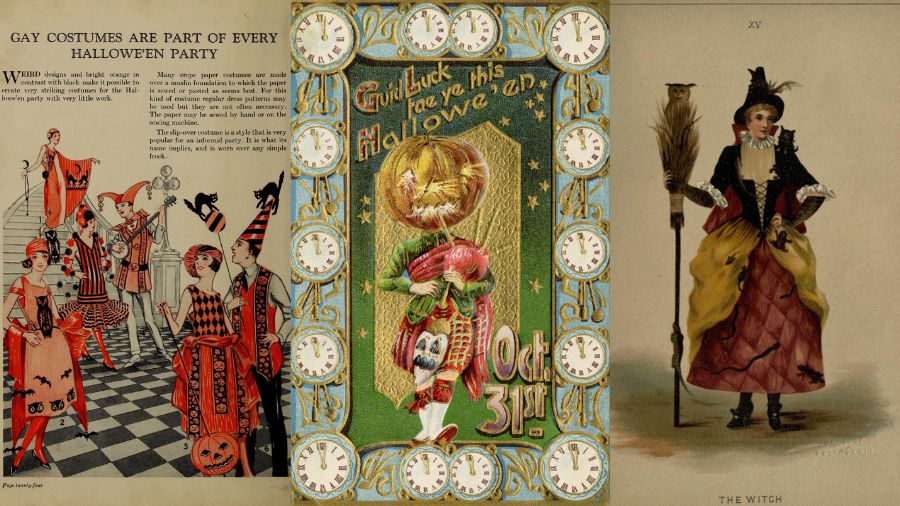
Today, Halloween is a multi-billion-dollar industry, with Americans spending billions on costumes, decorations, and candy each year. From superheroes to political figures, pop culture continues to inspire our Halloween attire.
Practical Tips for Modern Costume Choices
When selecting a costume, consider comfort, visibility, and safety. Choose fabrics that breathe, and avoid costumes that are too heavy or restrictive. If you'll be out after dark, add reflective materials or carry a flashlight to ensure you're visible to drivers. And remember, you're never too old to dress up – embrace your inner child and have fun!
Fun Facts and Cultural References
- Scariest Costume of 2021: According to the National Retail Federation, the most popular adult costume in 2021 was a witch, followed by a vampire, a cat, a pirate, and a bunny.
- First Halloween Parade: The first Halloween parade was held in Anoka, Minnesota, in 1924, as a way to shift the focus of the holiday from pranks and mischief to community involvement.
- Cultural Influences: Halloween costumes often reflect current events and pop culture. In recent years, we've seen an increase in political costumes, as well as characters from popular movies, TV shows, and video games.
Reflection: Costumes in Daily Life
Halloween may only come once a year, but the spirit of dressing up and embracing our inner selves can be found in our daily lives. Whether it's expressing ourselves through fashion, trying out a new hobby, or stepping outside our comfort zones, we all have the power to create our own costumes and live our best lives. So, go ahead – dress up, have fun, and make every day a little bit more like Halloween.