
What Happens With Pension When Someone Dies
Alright, picture this: You're sitting in your favorite armchair, sipping on a cuppa, when suddenly, you remember that pension thingy you've been putting off. You think to yourself, "Self, what happens to that pension money when I kick the bucket?" Well, grab your tea, 'cause we're about to dive into the world of pensions and what happens when we shuffle off this mortal coil.
First Things First: What's a Pension, Again?
In simple terms, a pension is like a promise from your employer (or the government) to pay you a regular income when you retire. It's like they're saying, "Hey, you've worked hard for us, so here's some cash to enjoy your golden years." But what happens when you don't make it to the golden years? Does the pension money just vanish into thin air? Spoiler alert: It doesn't. But it doesn't turn into a pot of gold at the end of a rainbow either. Sorry to disappoint.
Death Benefits: The Pension's Afterlife
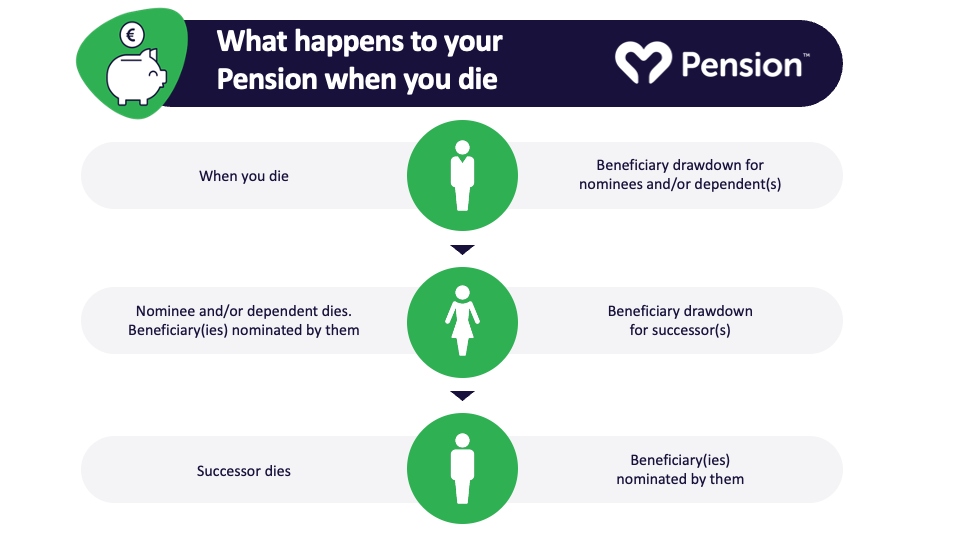
Now, pensions don't just evaporate when you die. They've got something called death benefits. These are the pension's way of saying, "I'm sorry for your loss, but here's some cash to help with the funeral or to split among the family." The amount and how it's paid depend on the type of pension you've got.
Must Read
For instance, if you've got a defined benefit pension (also known as a final salary pension), the death benefit is usually a lump sum paid to your nominated beneficiary. It's often a multiple of your final salary, like 2 or 4 times. Imagine your pension plan manager, dressed in a top hat and tails, presenting a giant check to your grieving family. It's like a morbid game show, isn't it?
On the other hand, if you've got a defined contribution pension (like a workplace pension or a personal pension), the death benefit is a bit more complicated. It's usually the value of your pension pot when you die, paid out to your beneficiaries. But here's where it gets interesting: if you die before the age of 75, your pension pot can be passed on tax-free. It's like the taxman giving you a posthumous high-five. "Well played, mate. Here's a tax-free pension pot for your family."

But if you die after the age of 75, your pension pot is taxed at your beneficiary's income tax rate when they withdraw it. It's like the taxman saying, "Sorry, mate. You've had your fun. Now it's my turn."
What If You Haven't Nominated a Beneficiary?
Now, you might be thinking, "That's all well and good, but what if I haven't nominated a beneficiary for my pension?" Well, don't panic. The pension provider will still pay out the death benefit, but it might not go where you'd want it to. It's like leaving a will blank. The law decides where your stuff goes, not you.
In the UK, if you're married or in a civil partnership, your pension will usually go to your spouse or civil partner. But if you're not married, it can get a bit tricky. The pension provider will look at your will, or if there isn't one, they'll follow the rules of intestacy. It's like a game of musical chairs, but with pension pots instead of chairs.

So, Should You Worry About Your Pension?
Now, you might be sitting there, worrying about your pension and what'll happen to it when you're gone. But here's the thing: you shouldn't. Pensions are there to give you a comfortable retirement, not to make you lose sleep over what'll happen to them when you die.
Instead, focus on growing that pension pot while you're alive. Contribute as much as you can, invest wisely, and keep an eye on those charges. And while you're at it, make sure you've got a will in place. It's not a fun topic, but it's important. After all, you don't want your pension pot ending up in the hands of that cousin you haven't spoken to in years, do you?
So, there you have it. The not-so-secret life of pensions after death. It's not as exciting as a pension plan manager in a top hat, but it's important to know. Now, who's ready for another cuppa?