
What Happens To My State Pension When I Die

Ever wondered what happens to your state pension when you kick the bucket? It's not something we love to think about, but it's a valid question, right? Let's dive in, no need to get all somber about it. We're just curious cats here!
So, What's the Deal?
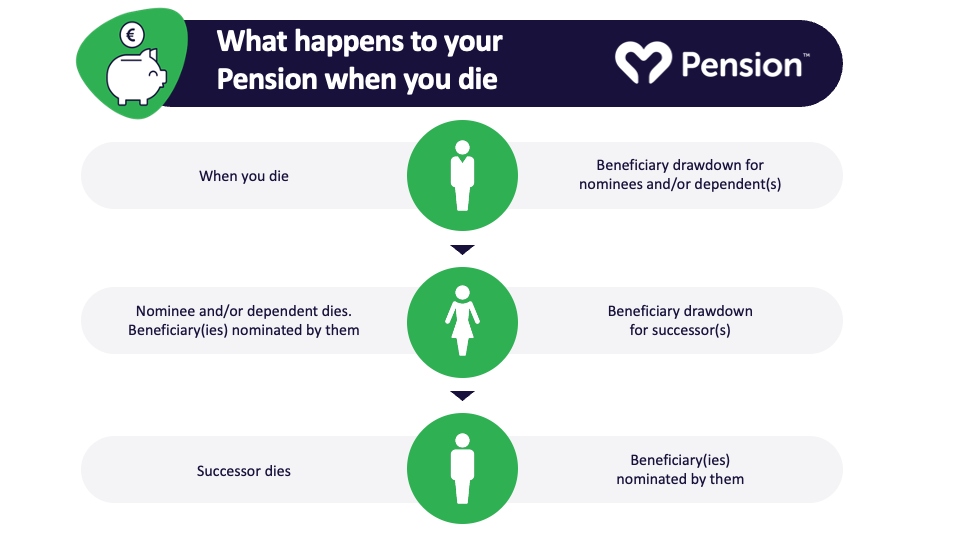
Alright, let's start with the basics. When you pass away, your state pension doesn't just vanish into thin air. It's not like your old sneakers that you left behind in the attic. No, it's more like a trusty old car that gets passed down to someone else.
Who Gets the Keys?
In the UK, if you've reached state pension age, any remaining pension you've built up will be paid as a lump sum to your surviving spouse, civil partner, or eligible cohabiting partner. It's like they're inheriting your pension 'car', ready to drive off into the sunset.
Must Read
But hold on, what if you're not married or in a civil partnership? No worries, if you've got a cohabiting partner, they might still be eligible. They just need to have been living with you for at least two years before you passed away.
What About the Fuel?
Now, let's talk about the regular payments you've been getting from your state pension. If you've passed away before you've reached state pension age, any additional state pension you've built up will be paid as a lump sum to your estate. It's like you're leaving behind a little nest egg for your loved ones.
But remember, this only applies to the additional state pension, not the basic state pension. The basic state pension is a bit like a fixed monthly allowance, and it stops as soon as you pass away.

What About Pension Credit?
Now, let's not forget about pension credit. If you were receiving pension credit, any remaining balance will be paid as a lump sum to your surviving partner or your estate. It's like they're getting a little bonus to help them out.
But Wait, There's More!
Here's where it gets a bit more interesting. If you've paid into the National Insurance system for at least 10 years, your surviving partner might be able to inherit some of your additional state pension. It's like they're getting a boost to their own pension 'car'.
This is called 'increased rate' or 'enhanced rate' state pension, and it's like they're getting a faster, more powerful engine for their pension 'car'. Neat, huh?
So, Should I Tell My Kids?
Now, you might be thinking, "Should I tell my kids about this? They might start expecting a fancy inheritance!" Well, it's up to you. But remember, it's not like you're leaving them a mansion or a yacht. It's just a little something to help out.
Plus, it's always a good idea to have an open conversation about money with your loved ones. It's like teaching them how to drive your pension 'car' so they can keep it running smoothly after you're gone.
But What If I Don't Want Them to Know?
If you'd rather keep your pension plans to yourself, that's totally fine. You can always set up a lasting power of attorney or write a will to make sure your pension goes where you want it to go. It's like leaving a secret map to your pension 'car' treasure.
So, What's the Moral of the Story?
Well, folks, it's not all doom and gloom when we talk about what happens to our state pension when we die. It's more like a game of 'pass the pension car' to our loved ones. So, let's not be afraid to ask questions and plan ahead. After all, it's our pension 'car', and we should decide who gets to drive it next.