
How To Write A Document On Mac
So, there I was, staring at my MacBook Pro, willing it to magically transform into a crystal ball that could predict the future of my upcoming report. Alas, no such luck. But hey, at least I knew how to write a document on Mac, right? Wrong. I mean, sure, I could've just opened a new doc and started typing, but where's the fun in that?
Let's Get Started, Shall We?
First things first, let's talk about the elephant in the room. Or rather, the application in the dock. That's right, we're talking about Pages, Apple's very own word processor. Now, I know what you're thinking, "But I've heard horror stories about Pages!" And while it's true that it can be a bit... quirky at times, it's still a powerful tool that deserves a fair shot.
But wait, you say, you're a die-hard Microsoft Word fan? No worries, you can still use Word on your Mac. In fact, you can even get the full Office suite if you're feeling fancy. Just remember, using Word on a Mac isn't exactly the same as using it on a Windows PC. But more on that later.
Must Read
Setting Up Your Document
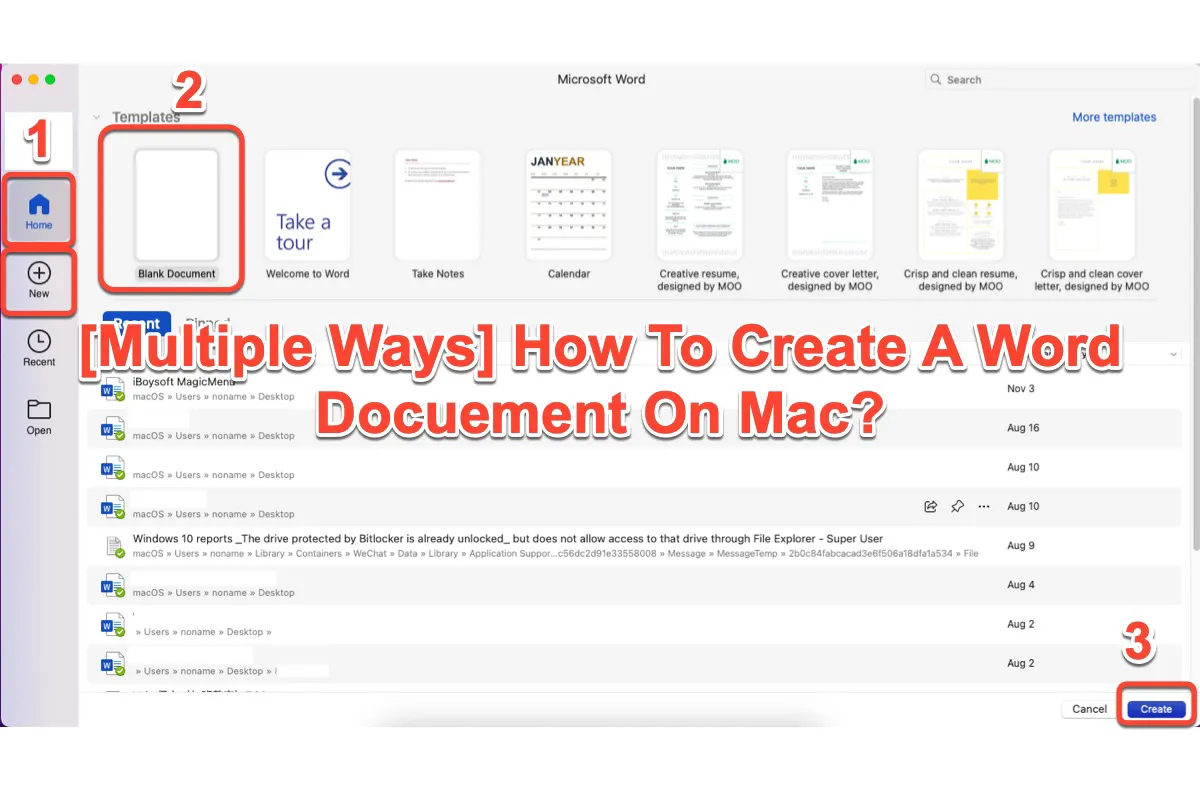
Alright, so you've chosen your weapon of choice. Now it's time to set up your document. In Pages, you can choose from a variety of templates, from simple to downright fancy. But if you're anything like me, you'll just go for the plain old blank document. After all, less is more, right?
Now, let's talk about fonts. You've got a whole world of fonts at your fingertips, from the classic Times New Roman to the whimsical Comic Sans. But remember, just because you can use a font, doesn't mean you should. Stick to something professional, like Arial or Georgia, unless you're writing a comic book or a kids' story.
Formatting 101
Okay, so you've got your document set up and you're ready to start writing. But wait, what's that? You want to make your heading stand out? Easy peasy, just highlight the text and click on the formatting toolbar. See that little 'H'? Click on it, and voila! Your heading is now a heading.
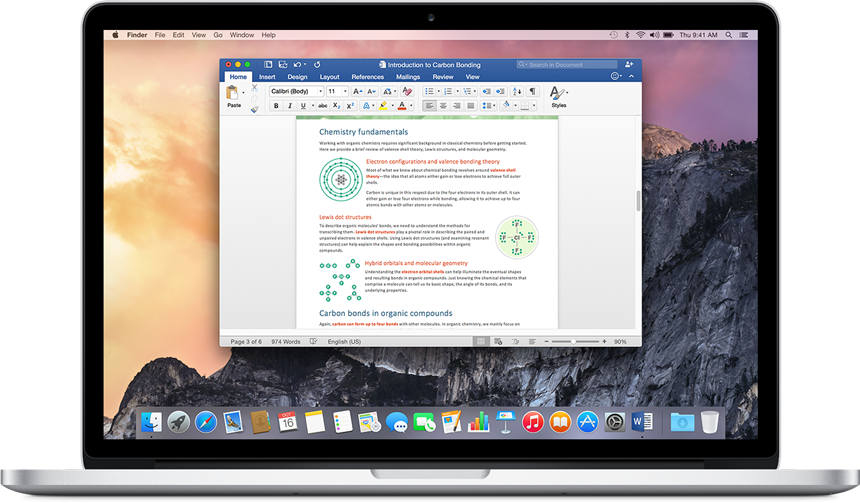
But what if you want to make your text bold or italic? Or maybe you want to add a little color to your words? Again, just highlight the text and click on the formatting toolbar. Easy as pie.
Saving Your Work
Now, you might be thinking, "This is all well and good, but what if my Mac suddenly decides to take a nap and I lose all my work?" Well, my friend, that's where saving comes in. In Pages, you can save your work automatically by turning on the 'Auto Save' feature. And if you're using Word, well, it has its own version of auto save too.
But here's a little tip from me to you. Don't rely solely on auto save. Make it a habit to manually save your work every now and then. You know, just in case. After all, better safe than sorry, right?
Sharing Your Masterpiece
Alright, so you've written your document, formatted it to perfection, and saved it a million times. Now it's time to share your masterpiece with the world. Or at least, with your boss, teacher, or whoever it is you're writing for.
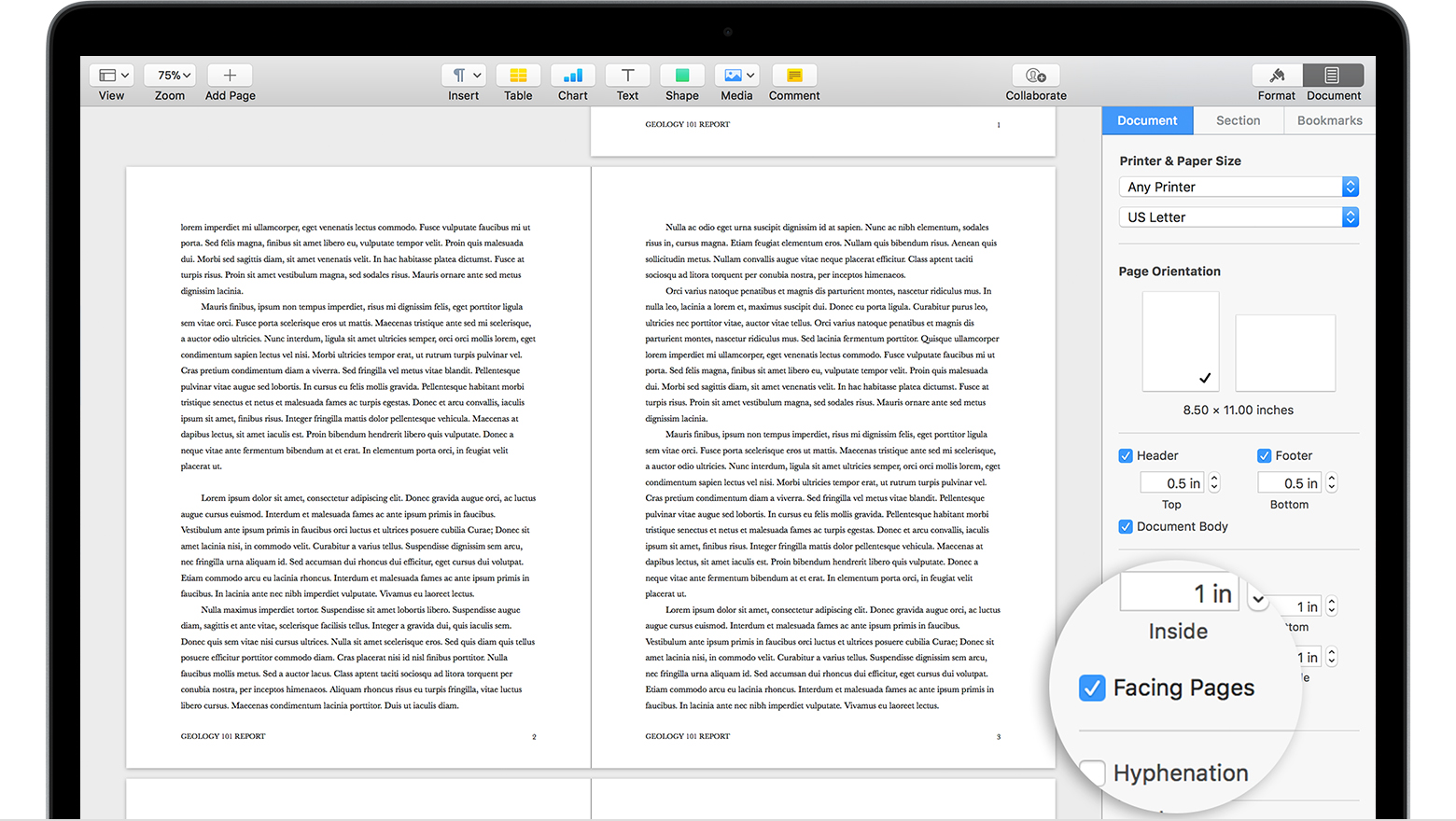
In Pages, you can export your document as a PDF, Word document, or even a PowerPoint presentation. And in Word, you can save your document in a variety of formats too. Just remember to choose the right format for the job. A PDF is great for preserving the formatting of your document, while a Word document is more versatile.
And there you have it, folks. A not-so-brief guide on how to write a document on Mac. Was it as magical as a crystal ball? Probably not. But at least now you know how to get the job done. So go forth, write your documents, and make them shine!