
How To Find Catchment Areas For Schools

So, you're on the hunt for the perfect school for your little one, huh? I've been there, done that, and let me tell you, it's a journey filled with more twists than a rollercoaster. One of the first things you'll stumble upon is this term 'catchment area'. Sounded like something to do with rainwater to me at first, but no, it's not. Let's dive in, shall we?
What's a Catchment Area, Anyway?
In simple terms, a catchment area, or school catchment zone, is like the school's neighborhood. It's the geographical area from which a school draws its students. Think of it like a big, invisible fence around a school. If you live inside that fence, congratulations, you're in the catchment area!
Now, why is this important? Well, some schools are so popular that they have more applicants than spaces. In these cases, they usually give priority to kids who live in the catchment area. It's like having a secret VIP pass to the coolest club in town. But don't worry, if you're not in the catchment area, all hope is not lost. There are ways around it, which we'll get to later.
Must Read
How to Find Catchment Areas
1. Ask Around
Word of mouth is a powerful thing. Chat with your neighbors, join local parenting groups, or even ask your kid's friends' parents. They might know more than you think. Plus, you'll get a feel for what people think about the schools in your area.
2. Check the School's Website
Most schools have their catchment areas mapped out on their websites. If not, they should have the information somewhere. If you're still drawing a blank, don't hesitate to give them a call. They're used to these questions, I promise.

3. Use Online Tools
There are some nifty online tools that can help you out. Websites like SchoolJudge and SchoolGuru let you type in a postcode and show you the catchment areas for nearby schools. Easy peasy!
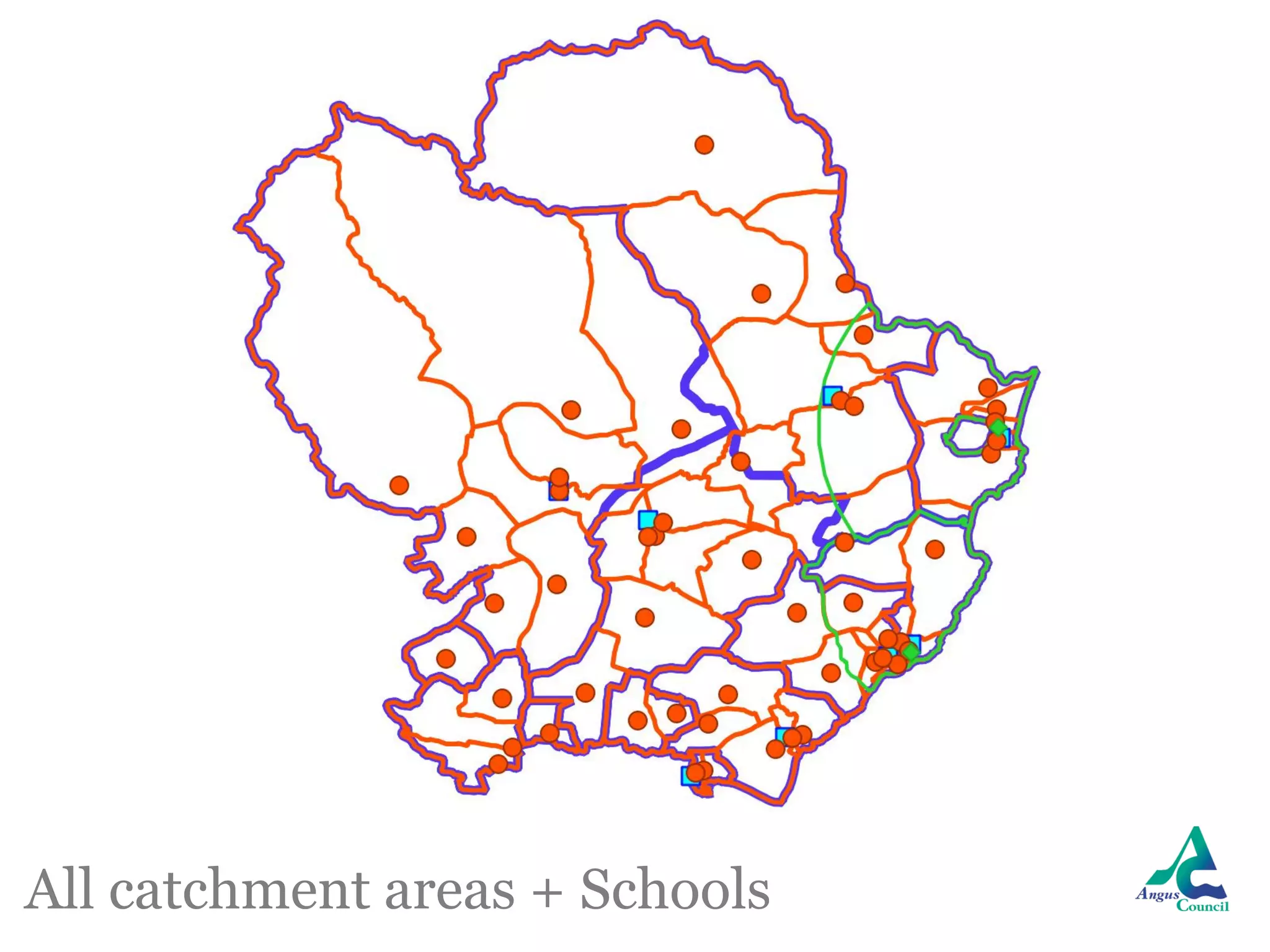
4. Check the Council Website
Your local council should have a list of school catchment areas. They might even have an interactive map. It's worth a look, especially if you're not finding what you need elsewhere.
What If You're Not in the Catchment Area?
Don't stress, there are still options. You can appeal to the school, explain your situation, and see if they'll make an exception. You might also consider moving (even a temporary move can do the trick), or look into other schools that don't have catchment areas. It's not ideal, but it's not the end of the world either.
And remember, location, location, location isn't everything. The best school for your kid is the one that fits their needs, not just the one around the corner. So, keep your chin up, and happy hunting!