
Google Analytics On Mobile App

So, there I was, swiping through my phone, when it hit me - I had no idea what was actually working on my app and what was, well, not so much. I mean, sure, I had a hunch that the 'Cat Facts' feature was a hit, but was it really? That's when I decided it was high time I got to know Google Analytics on a more, ahem, intimate level.
Why Google Analytics, you ask?
Well, for starters, it's like having a little detective in your pocket, ready to solve the mysteries of your app's performance. And the best part? It's free! Yes, you heard it right, folks. Google's giving away this powerful tool, and all you've got to do is reach out and grab it.
First things first: Setting it up
Alright, so you're convinced. You're ready to dive in. Great! The first step is to create a Google Analytics account (if you haven't already). Then, you'll want to get your hands on your app's Google Services JSON file. This is where the magic happens, folks. It's like the key to your app's secret lair.
Must Read
Once you've got that, it's time to link your app to Google Analytics. You'll need to add the Google Analytics SDK to your app (don't worry, it's not as scary as it sounds). And voila! You're ready to start tracking.
Now, what can it do?
Oh, where do I even begin? Google Analytics can tell you everything you ever wanted to know about your app's performance. Like, who's using it, how often they're using it, and what they're doing while they're there. It's like having a crystal ball into your users' minds.

Want to know which features are the most popular? Google Analytics can tell you that. Want to know where your users are dropping off? It can tell you that too. And the best part? It can help you figure out why things are happening. It's like having a personal coach, cheering you on and helping you make sense of it all.
But wait, there's more!
Google Analytics isn't just about numbers, folks. It's about understanding your users. And to do that, you need to know what's working and what's not. That's where segments come in. They let you divide your users into groups based on different characteristics. Want to know how your power users differ from your casual ones? Segments can help with that.
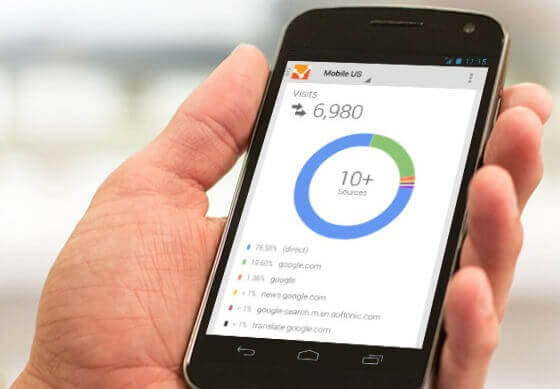
And let's not forget about events. These are like little markers you can set up to track specific actions in your app. Want to know how many people are tapping that 'Cat Facts' button? Events can tell you that. And the best part? You can set up goals to track these events, so you can see if you're meeting your targets.
So, are you ready to dive in?
Google Analytics might seem like a big, scary beast at first. But trust me, once you get to know it, you'll wonder how you ever lived without it. It's like having a superpower, folks. A superpower that can help you make your app the best it can be.
So, what are you waiting for? Get out there and start tracking. Your app (and your users) will thank you.