
Can I Claim My State Pension And Still Work
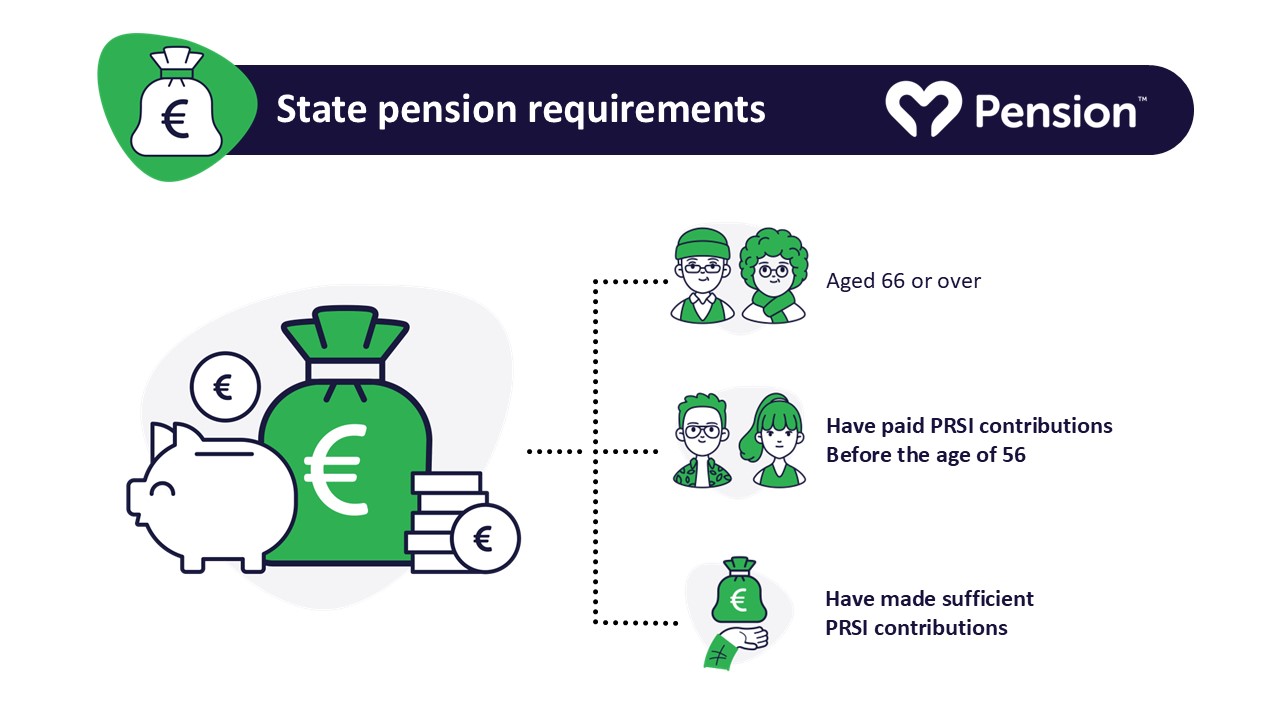
Can I Claim My State Pension And Still Work? Let's Dive In!
Alright, imagine you're like a fine wine, aging gracefully, and you've reached that magical age where the state says, "Hey, it's time for your pension!" But hold on a sec, you're not ready to hang up your boots just yet. You've still got the energy of a toddler on a sugar rush and the brain power of, well, a toddler who just figured out how to use a smartphone. So, can you claim your state pension and still work? Let's find out!
First Things First: What's This State Pension All About?
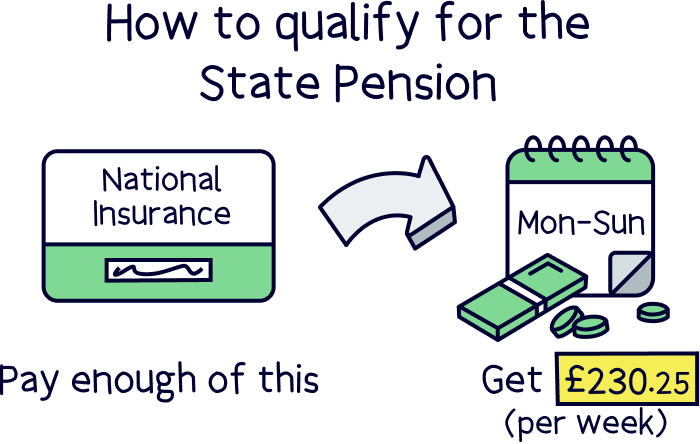
Think of your state pension like a cozy blanket the government knitted for you. It's not the fanciest blanket in the world, but it's there to keep you warm in your golden years. In the UK, you can claim it at state pension age (which is currently 66 and rising), and it's paid every week. But here's the thing, it's not a one-size-fits-all deal. How much you get depends on your National Insurance record.
Now, let's talk about that National Insurance. It's like a big ol' piggy bank that the government has been filling up for you throughout your working life. The more you've paid in, the bigger your state pension will be. But don't worry, you don't need to be a math whiz to figure this out. The government will tell you how much you'll get before you reach state pension age.
Must Read
So, Can I Work And Still Get My Pension?
Alright, now that we've got the pension basics down, let's get to the million-dollar question. The short answer? Yes, you can work and still get your state pension. But, as with most things in life, there's a bit more to it than that.
You see, the state pension is designed to be your main source of income in retirement. So, if you're working and earning a decent wage, the government might think, "Hey, this person doesn't need our help just yet." And that's where the earnings limit comes in.
What's This Earnings Limit You Speak Of?
The earnings limit is like a sneaky little gatekeeper that the government has put in place. If you're below the earnings limit, you can keep your state pension in its entirety. But if you earn more than that, the pension gets reduced. It's like a game of whack-a-mole, but with your pension instead of moles.
Now, the earnings limit isn't a flat rate. It's different for each tax year, and it's based on the amount of state pension you'll get. For the 2021 to 2022 tax year, the earnings limit is £18,520 a year (or £1,542 a month). If you earn more than this, your state pension will be reduced by £1 for every £2 you earn over the limit.
But Wait, There's More! (Or Less, Depending On How You Look At It)
Now, here's where things get a bit more complicated. If you've reached your state pension age and you're still working, you might be paying National Insurance. And if you are, you're building up your entitlement to an additional state pension. This is on top of your basic state pension, and it's calculated based on your National Insurance record.

But here's the catch - if you're earning above the earnings limit, you won't be building up any additional state pension. It's like you're stuck in a pension time warp, and you're not getting any closer to that fancy new state pension you've been dreaming of.
So, Should I Quit My Job To Get My Full Pension?
Now, you might be thinking, "Well, I guess I should just quit my job then, so I can get my full pension." But hold your horses, partner! That's not always the best idea. You see, while the state pension is a nice safety net, it's not designed to be your only source of income in retirement.
Think about it this way - if you're working and earning a good wage, you're probably paying into a workplace pension scheme. That money is invested, and it's growing over time. If you quit your job, you're not just losing out on your earnings, you're also losing out on that pension growth.
Plus, let's not forget about the joy of work. If you love what you do, why would you want to give it up? Work can keep you active, both physically and mentally, and it can also give you a sense of purpose and identity.
But What If I'm Self-Employed?
Alright, so what if you're not working for someone else? What if you're your own boss, and you're self-employed? Well, the rules are a bit different for you. You see, if you're self-employed, you don't have to pay National Insurance, and you don't have to worry about the earnings limit.
However, you also won't be building up any additional state pension. So, it's important to make sure you're putting money aside for your retirement in other ways. This could be through a personal pension, or by saving and investing on your own.
So, What Should I Do?
At the end of the day, whether or not you should keep working after you've reached your state pension age is a personal decision. It depends on your financial situation, your health, and what you want to get out of life.
If you're thinking about it, it's a good idea to talk to a financial advisor. They can look at your specific situation and give you tailored advice. They can also help you figure out how much you need to save for retirement, and how to make the most of your pension.
And remember, it's never too late to start planning for your future. Whether you're 50, 60, or even 70, there are always things you can do to secure your financial future. So, don't panic, and don't give up. You've got this!
Now, go forth and conquer your retirement planning. And if all else fails, you can always join the circus. I hear they've got great pensions.